Context and Background
OpenAI Whisper is built on the foundation of advanced deep learning algorithms, which enable it to learn and improve over time. This adaptability allows the technology to tackle complex audio analysis tasks with ease, including speech recognition, music classification, and audio event detection. As the demand for AI-powered audio analysis continues to grow, OpenAI Whisper is poised to play a vital role in shaping the future of this rapidly evolving field.
Key Features and Capabilities
One of the standout features of OpenAI Whisper is its ability to handle multiple audio formats and languages, making it a versatile tool for global applications. Additionally, the technology boasts an impressive level of accuracy, even in noisy or low-quality audio environments. This is achieved through the use of advanced noise reduction and signal processing techniques, which help to enhance the overall quality of the audio signal. As a result, OpenAI Whisper is capable of delivering highly accurate transcriptions and insights, even in challenging audio conditions.

Implications and Future Developments
The implications of OpenAI Whisper are far-reaching, with potential applications in fields such as education, healthcare, and customer service. For instance, the technology could be used to develop more effective voice assistants, or to create personalized learning experiences through AI-powered audio analysis. As the technology continues to evolve, we can expect to see even more innovative applications of OpenAI Whisper, driving growth and advancement in the AI-powered audio analysis sector. With its impressive capabilities and versatility, OpenAI Whisper is set to revolutionize the way we interact with and understand audio data.
Openai | Replicate
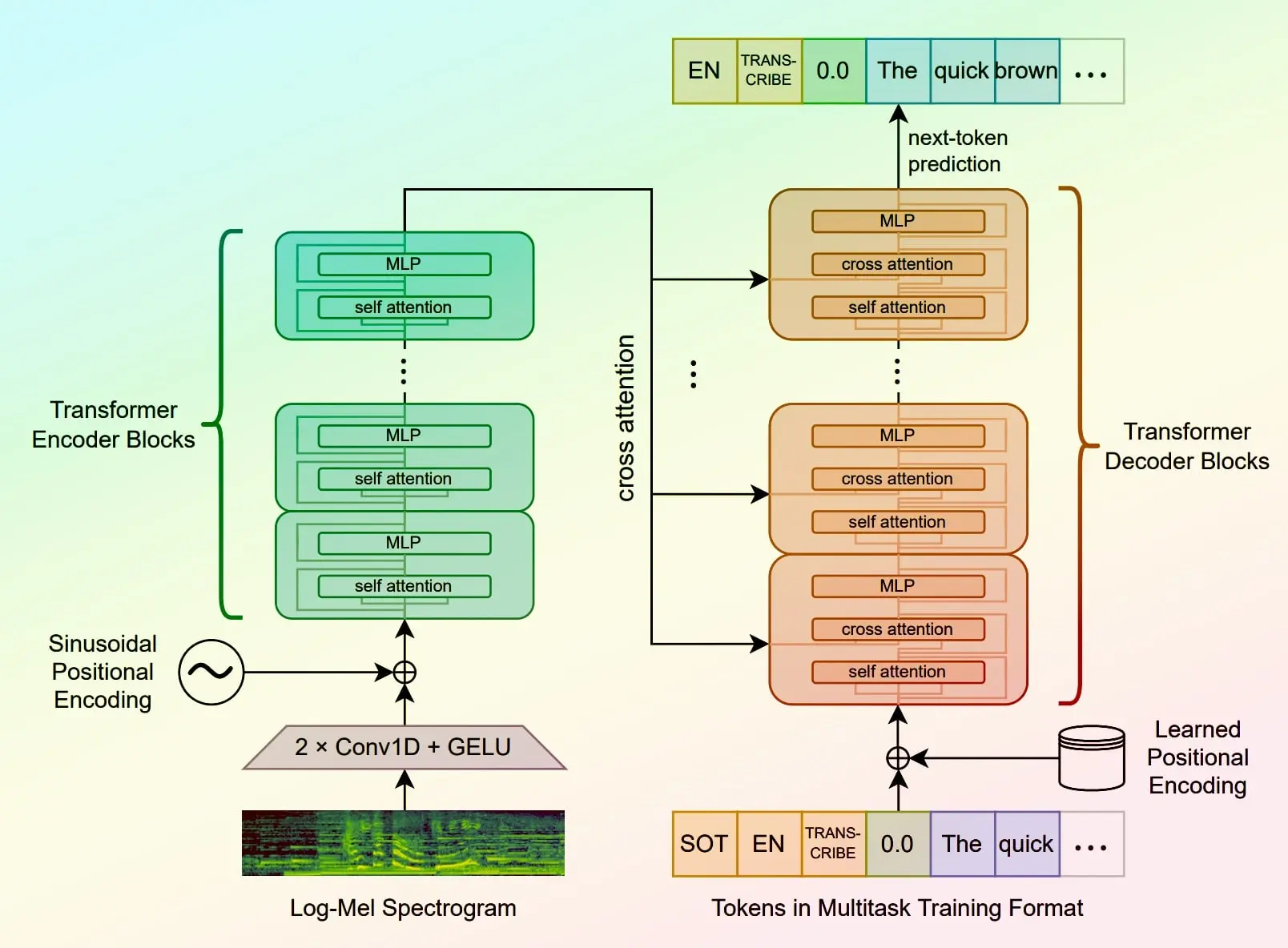
openai | Replicate
Getting Started With OpenAI Whisper - Coding For Entrepreneurs

Getting Started with OpenAI Whisper - Coding for Entrepreneurs
Examples – Openai/whisper | Replicate
Examples – openai/whisper | Replicate